
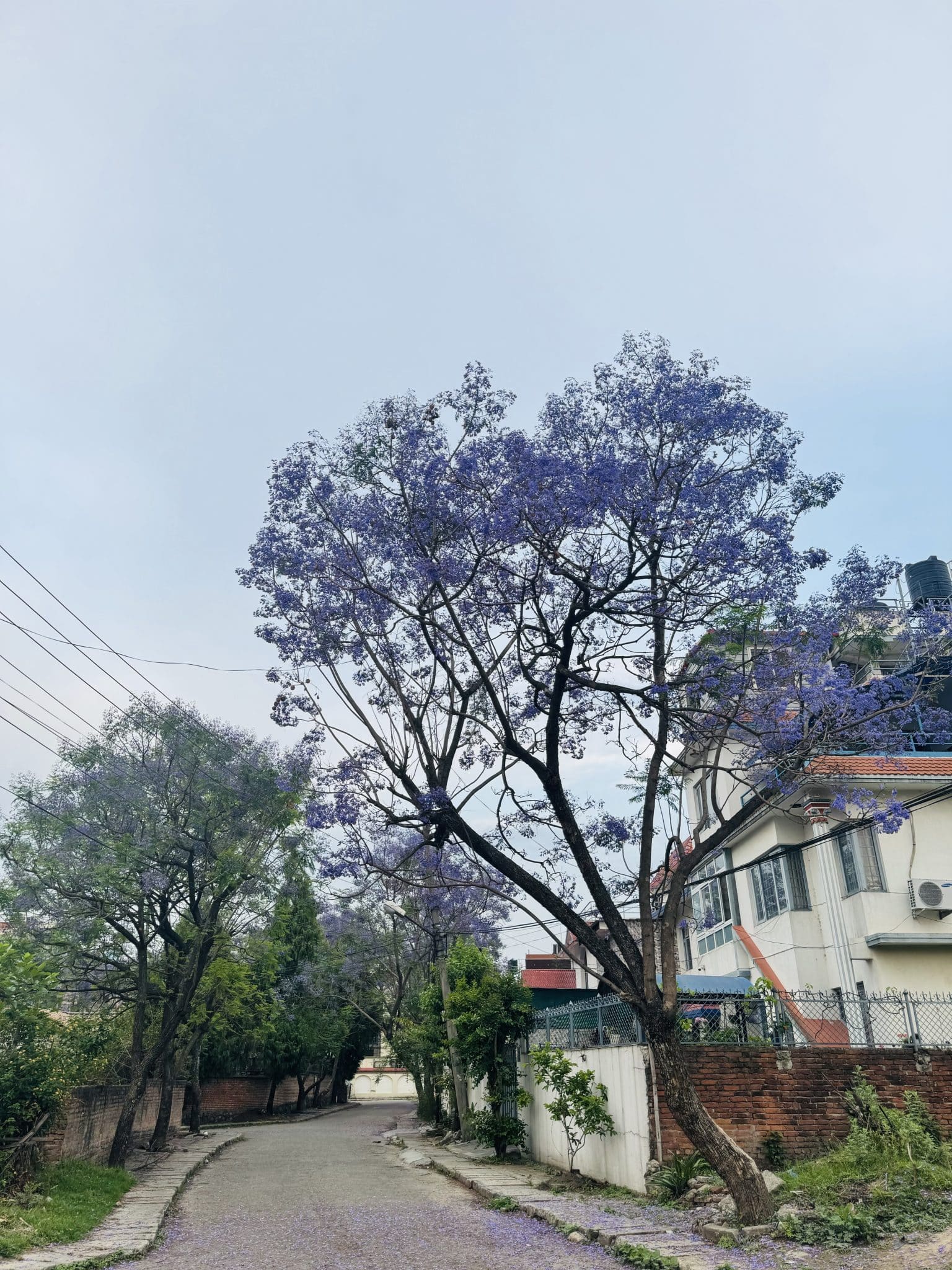
Mexico City doesn’t really have a bad season, but it does have a best one — and it depends on what you’re after.
March to May is peak season for a reason. This is when the jacaranda trees bloom across the city, turning entire avenues in Roma and Condesa into tunnels of purple. Daytime temperatures sit comfortably in the mid-70s to low-80s°F, skies are mostly clear, and it’s dry enough that you won’t need to plan around rain. Pack light layers — mornings can be cool, afternoons are warm, and evenings dip again once the sun goes down.
June through September is rainy season, but don’t let that scare you off. Rain here tends to arrive in short, predictable afternoon bursts rather than washing out the whole day — mornings are usually clear, so you can still plan outdoor time if you build your day around it. Everything is greener, hotel and rental prices often ease off, and the city feels less crowded. Pack a compact umbrella or light rain jacket and you’re covered.
October to February brings the driest, crispest air of the year. Mornings and evenings get genuinely cold — down into the 40s°F some nights — so a warmer layer earns its space in your bag, even though afternoons still climb into the 60s and 70s. December and January are lively with holiday lights and events, but also busier and pricier, so book your stay earlier if you’re set on these months.
Whichever season you land in, altitude is the one constant worth planning for — Mexico City sits over 7,300 feet up, so give yourself a slower first day and drink more water than you think you need.
Whatever the season, we’ve got a stay that fits it. Check availability for your travel dates and find your spot in the city.